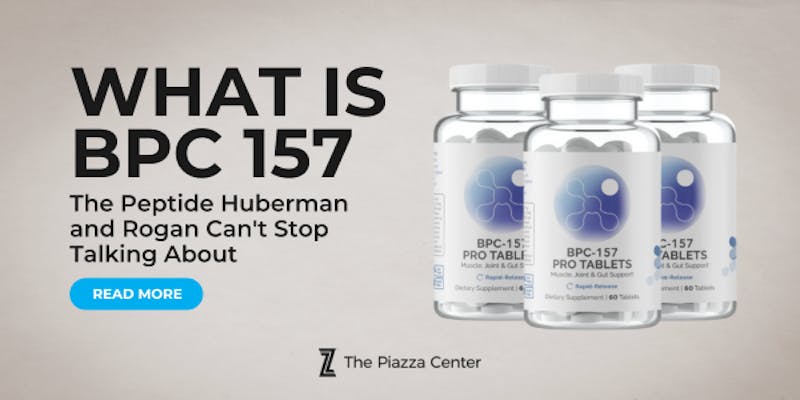
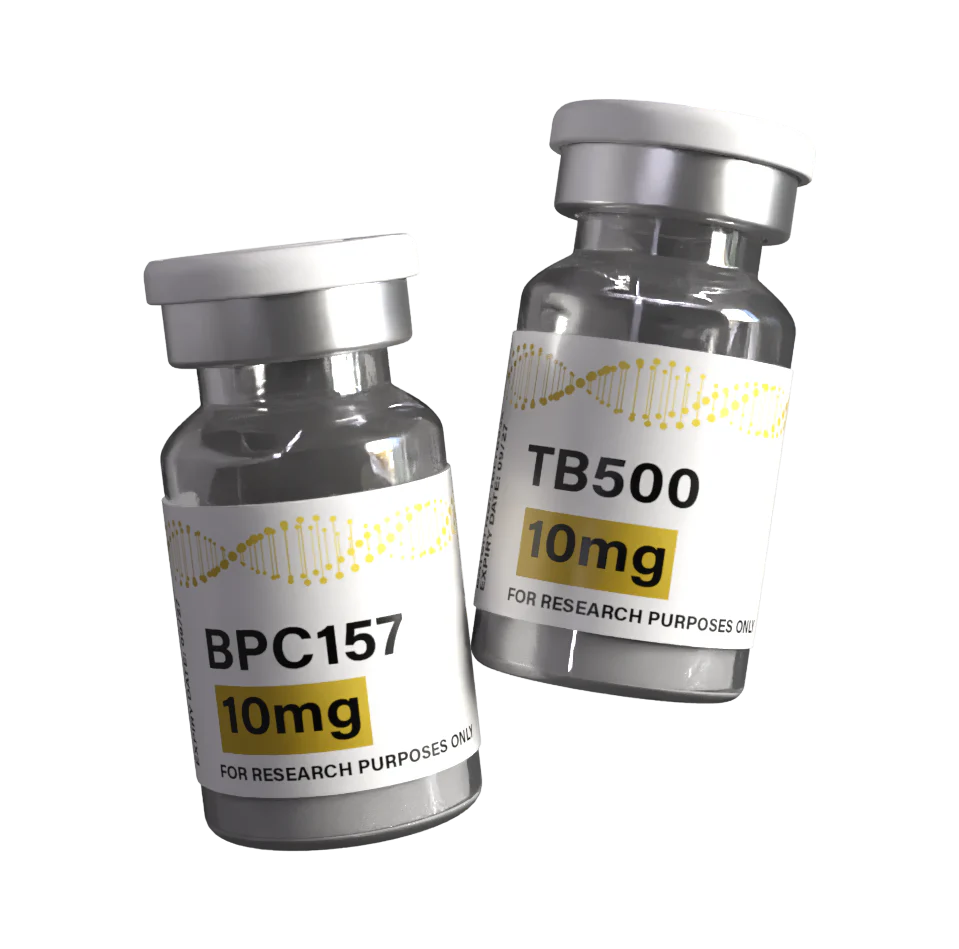
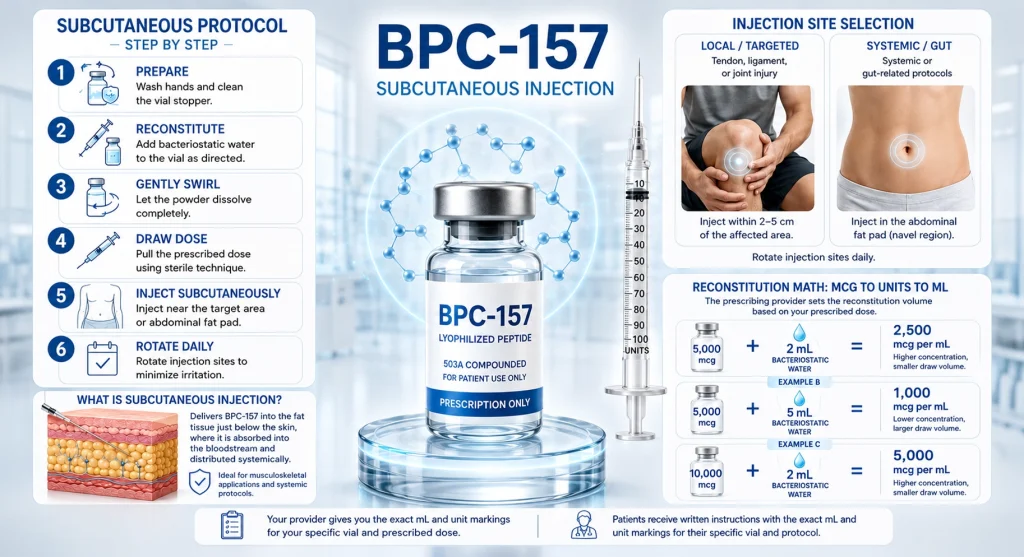
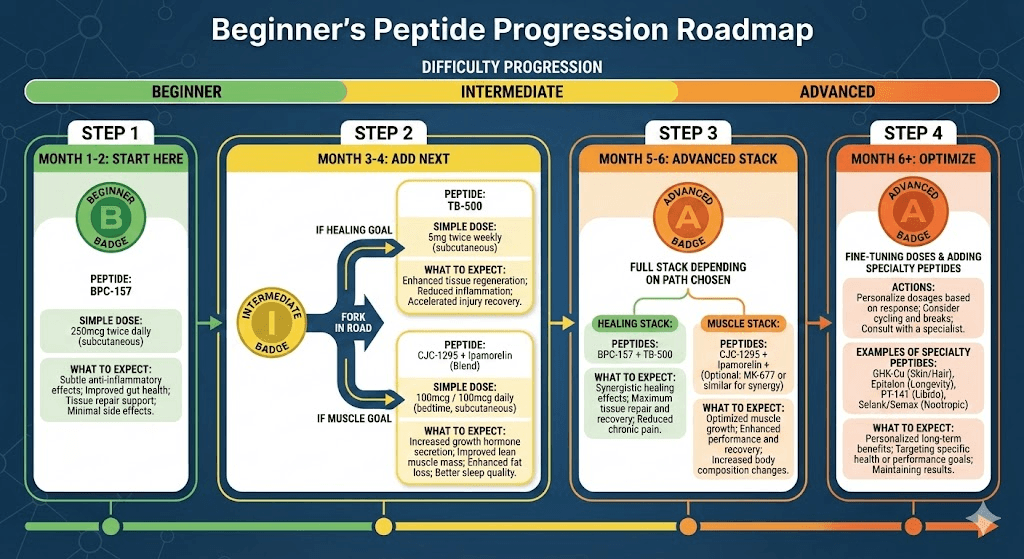
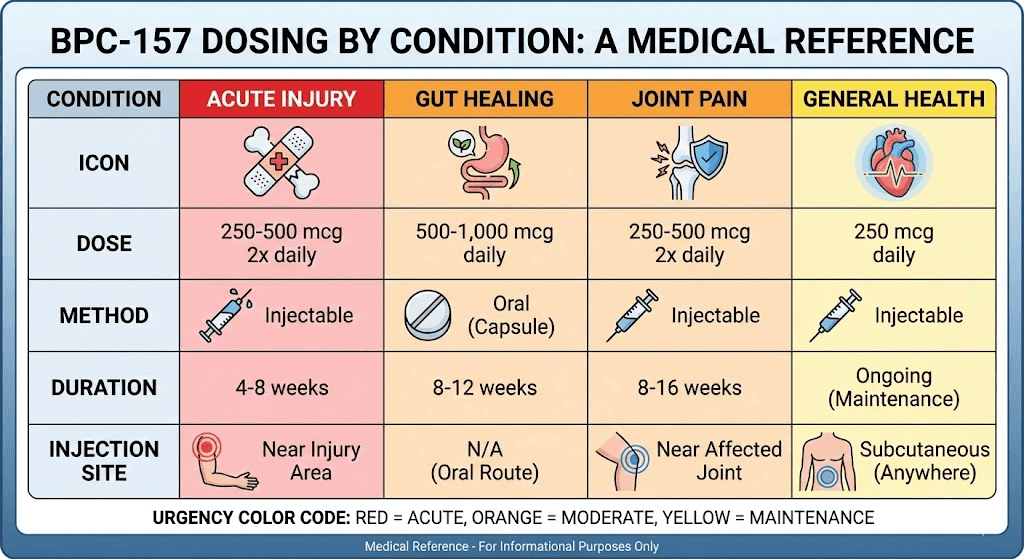
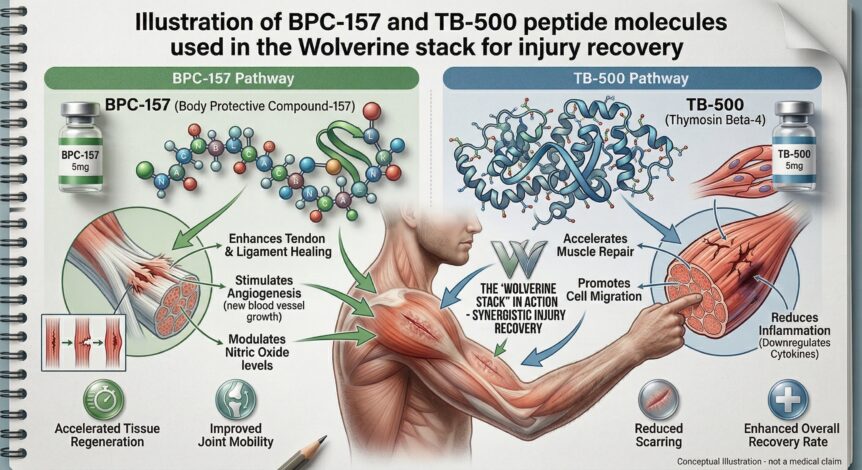
In regenerative medicine, two stand out: BPC-157 studied for tendon, ligament, and gut healing
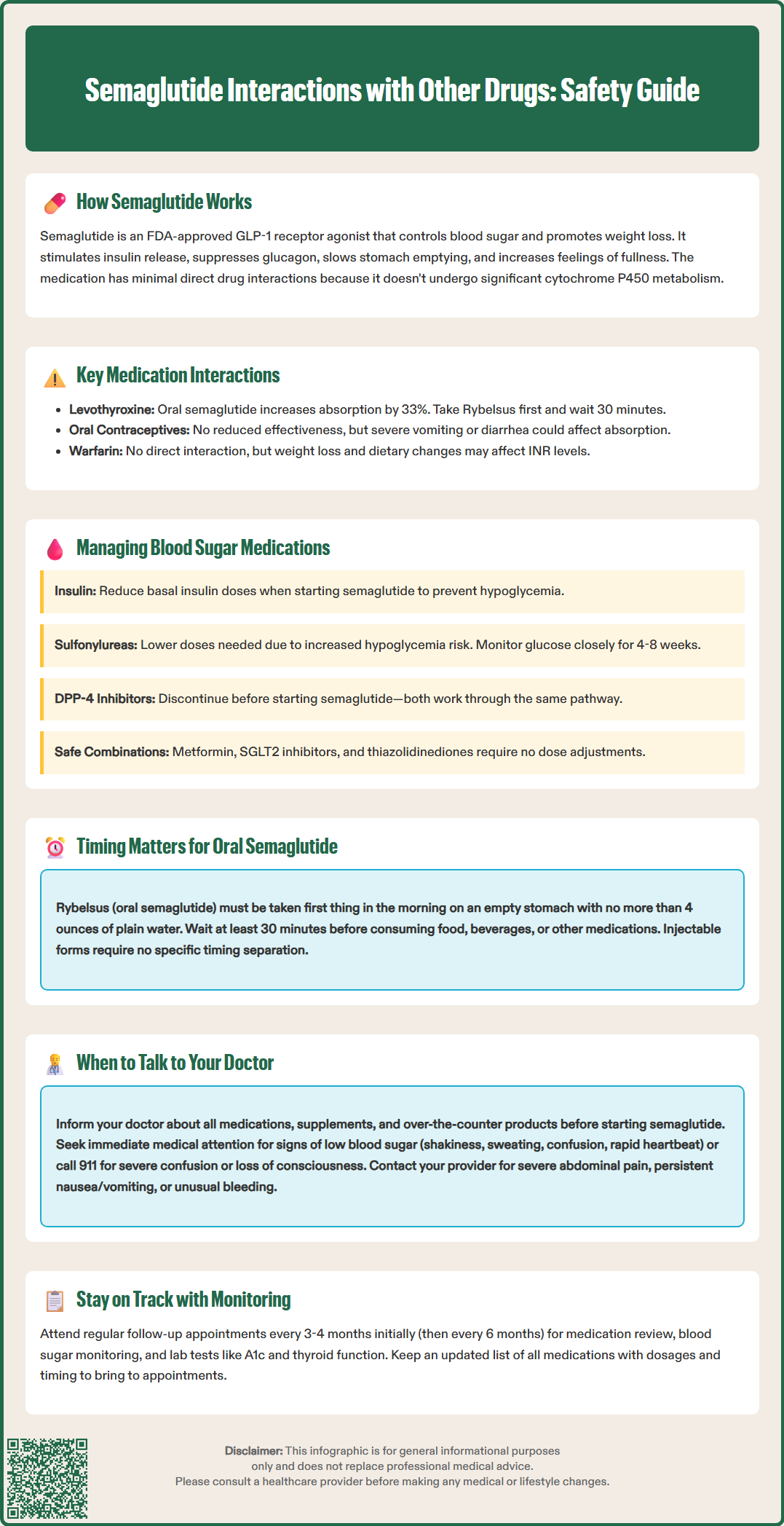
GLP-1 receptor agonists (semaglutide, liraglutide, tirzepatide) are contraindicated during breastfeeding per UK Summary of Product Characteristics No weight loss injection currently has regulatory approval for use whilst breastfeeding in the UK Transfer into breast milk and effects on nursing infants remain unknown due to absence of human studies Appetite suppression from these medications may compromise maternal nutrition needed for adequate milk production Safe alternatives include gradual dietary modification, regular physical activity, and NHS weight management programmes Women should defer weight loss medications until breastfeeding is completed and seek GP advice for postpartum weight concerns Table of Contents Weight Loss Injections and Breastfeeding: Key Safety Considerations Types of Weight Loss Injections and Their Use During Lactation Potential Risks to Breastfed Infants Alternative Approaches to Postpartum Weight Management When to Seek Medical Advice About Weight Loss While Breastfeeding Scientific References Frequently Asked Questions Weight Loss Injections and Breastfeeding: Key Safety Considerations Weight loss injections, particularly GLP-1 receptor agonists such as semaglutide (Wegovy) and liraglutide (Saxenda), have become increasingly popular for weight management

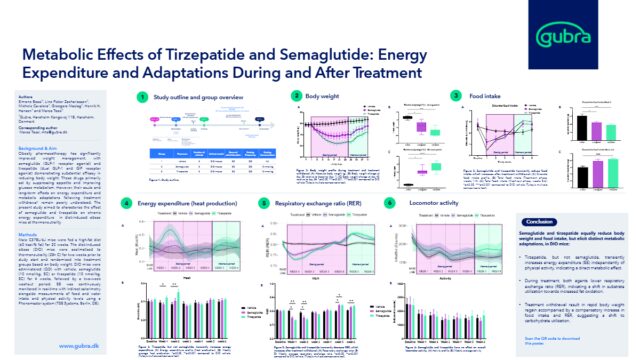
Does the type of GLP-1 medication affect energy levels differently
A person with sudden onset RA may go to bed one night and wake up the next morning in a great deal of pain
Glutathione has the ability to regenerate other antioxidants, including vitamins C and E